Preserving Igbo Historical Memory: Chima Korieh and the Umuchieze Archival Initiative
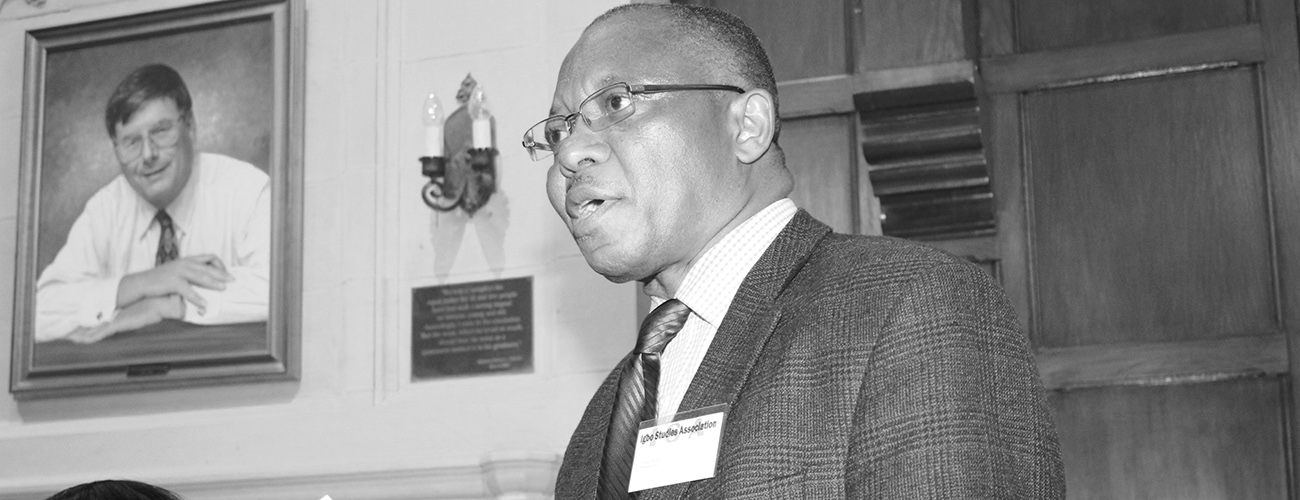
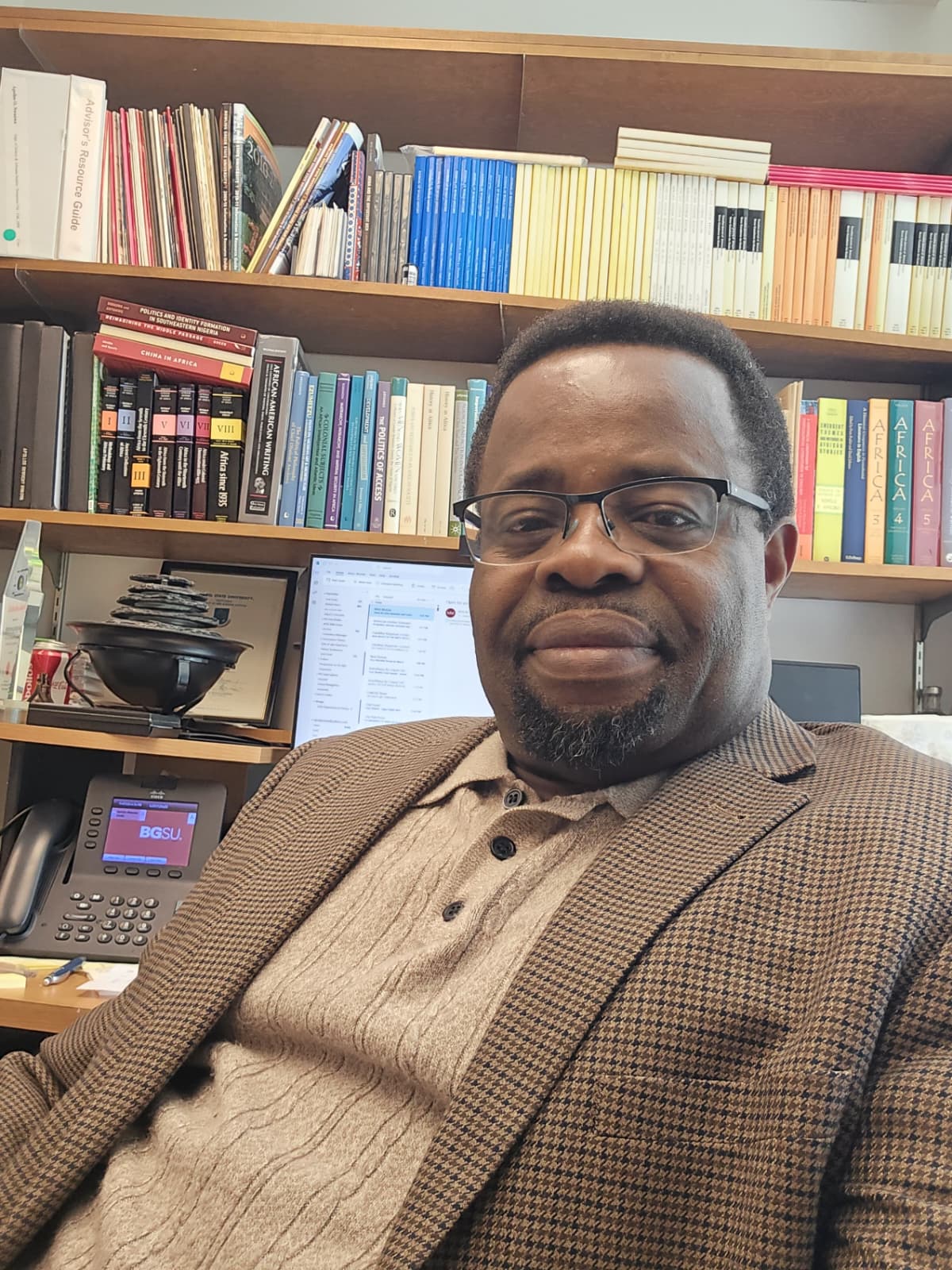
The preservation of Igbo history requires sustained attention to the records, material objects and living traditions through which communities understand their past. Dr. Chima Korieh, a professor of African history at Marquette University and acting king of the Umuchieze clan in Mbaise, Imo State, is advancing an initiative that brings these concerns together. By combining archival preservation abroad with plans for a cultural centre at home, the project offers a significant case for examining how scholarship and community leadership can support historical continuity.
In a feature published by Marquette University on November 3, 2026, Rachel Gintner Orlando describes Korieh’s efforts to safeguard Umuchieze historical materials through the Arctic World Archive in Svalbard, Norway. The collection includes the original manuscript of The Land and People of Umuchieze, written by Eze Dr. Enyeribe Onuoha.
“I’m trying to guarantee our endangered data is fully protected with this choice,” Korieh told Marquette. “This is our fail-safe.”
The statement expresses an urgency familiar to scholars working with vulnerable historical collections. As the Marquette account explains, deteriorating documents, limited resources and unreliable electricity present substantial challenges to archival preservation in Nigeria. For Umuchieze, the Arctic deposit represents an effort to protect historical knowledge against the loss of its surviving records.
A Scholarly Foundation in African and Igbo History
Korieh’s preservation work builds on a substantial academic career. According to his Marquette faculty profile, he specializes in the social and economic history of West Africa in the nineteenth and twentieth centuries, gender relations and comparative slavery. He earned his Ph.D. from the University of Toronto in 2003 and is the author or editor of more than ten books.
His scholarly responsibilities include directing the Biafra War Oral History/Genocide Project and editing Igbo Studies Review and Nigerian Studies Review. These roles place the documentation and interpretation of historical experience at the centre of his professional work, providing an important context for the Umuchieze initiative.
Among his publications is The Land Has Changed: History, Society, and Gender in Colonial Eastern Nigeria (2010). As described in his faculty profile, the book examines colonial efforts to transform local agriculture and interprets colonial interactions as negotiated encounters between officials and African populations. This attention to local agency provides a useful perspective on a preservation project shaped through community deliberation.
Community Stewardship and Historical Authority
A distinctive feature of the initiative is the relationship between Korieh’s academic work and his responsibilities within Umuchieze. His position connects historical research with practical questions of community identity, leadership and the transmission of knowledge.
According to the Marquette feature, the decision to use the Arctic archive followed community meetings and presentations intended to establish consensus. This process is significant: preservation involves decisions about whose knowledge is retained, which materials represent a community and how future generations will encounter them.
Read in this context, the Umuchieze initiative illustrates the importance of community participation in defining archival priorities. It also raises a wider question for Igbo studies: how can scholars contribute their expertise while supporting the authority of the communities whose histories they study?
Reading Colonial Records Critically
Colonial intelligence and ethnographic reports form another important dimension of Korieh’s preservation work. The Marquette account describes his collaboration with University of Chicago economist and Nobel laureate Dr. James Robinson in collecting and digitizing reports relevant to Igbo societies, with assistance from the Institute of African Studies at the University of Nigeria.
These records contain information about political institutions, landholding, agriculture, gender relations and judicial practices. Their research value, however, must be considered alongside the administrative purposes for which they were produced.
“Of course, all history is political,” Korieh observed in the Marquette interview.
For researchers, this observation underscores the need to examine colonial documents critically. Such reports can preserve valuable evidence while also reflecting the assumptions and priorities of colonial officials. Their interpretation benefits from comparison with oral testimony, local knowledge and other historical sources.
Preserving these documents therefore creates opportunities for further inquiry; it does not settle questions about their authority. Making them available to descendants and researchers can widen the range of people able to assess, contextualize and challenge their accounts.
Preserving Material and Living Heritage
The initiative extends beyond written records. Korieh’s plans include documenting a handmade Igbo door associated with uli design and depositing a documentary on Iwa Akwa, a rite of passage into male adulthood in his community.
These proposed additions broaden the meaning of an archive. Architecture, visual expression and ceremonial practice can communicate forms of knowledge that written documents alone cannot adequately convey. Their documentation can support research into aesthetics, social institutions, belonging and cultural change.
At the same time, recording a ceremony preserves a representation of a living practice. Its continuing significance also depends on the people who perform, interpret and transmit it. This distinction makes community engagement essential to both preservation and scholarship.
Connecting Preservation with Local Access
The proposed cultural centre, museum and library in Korieh’s hometown is particularly important to the project’s educational purpose. According to the Marquette feature, land has been donated for the centre, although further funding is needed.
A local institution could connect the protection of historical materials with opportunities for residents to encounter and interpret their heritage. It would also provide a setting in which younger generations could engage with historical objects, records and accounts of community life.
“We’re making sure the new generation knows this history and the past,” Korieh said.
For the Igbo Studies Association and the wider scholarly community, the Umuchieze initiative offers a useful example of the relationship between research, preservation and public engagement. Its significance lies in bringing long-term archival protection into conversation with community participation and local education. It invites further discussion about how Igbo historical knowledge can remain both secure and accessible to the people whose lives and identities it records.
Sources: Rachel Gintner Orlando, “Journey to the Arctic: How a Marquette professor saved African history near the North Pole,” Marquette Today, November 3, 2026; and Dr. Chima Korieh’s Marquette University faculty profile. All direct quotations are reproduced from the Marquette Today feature.


Add a Comment
Comments are reviewed before publication to protect the site from spam.